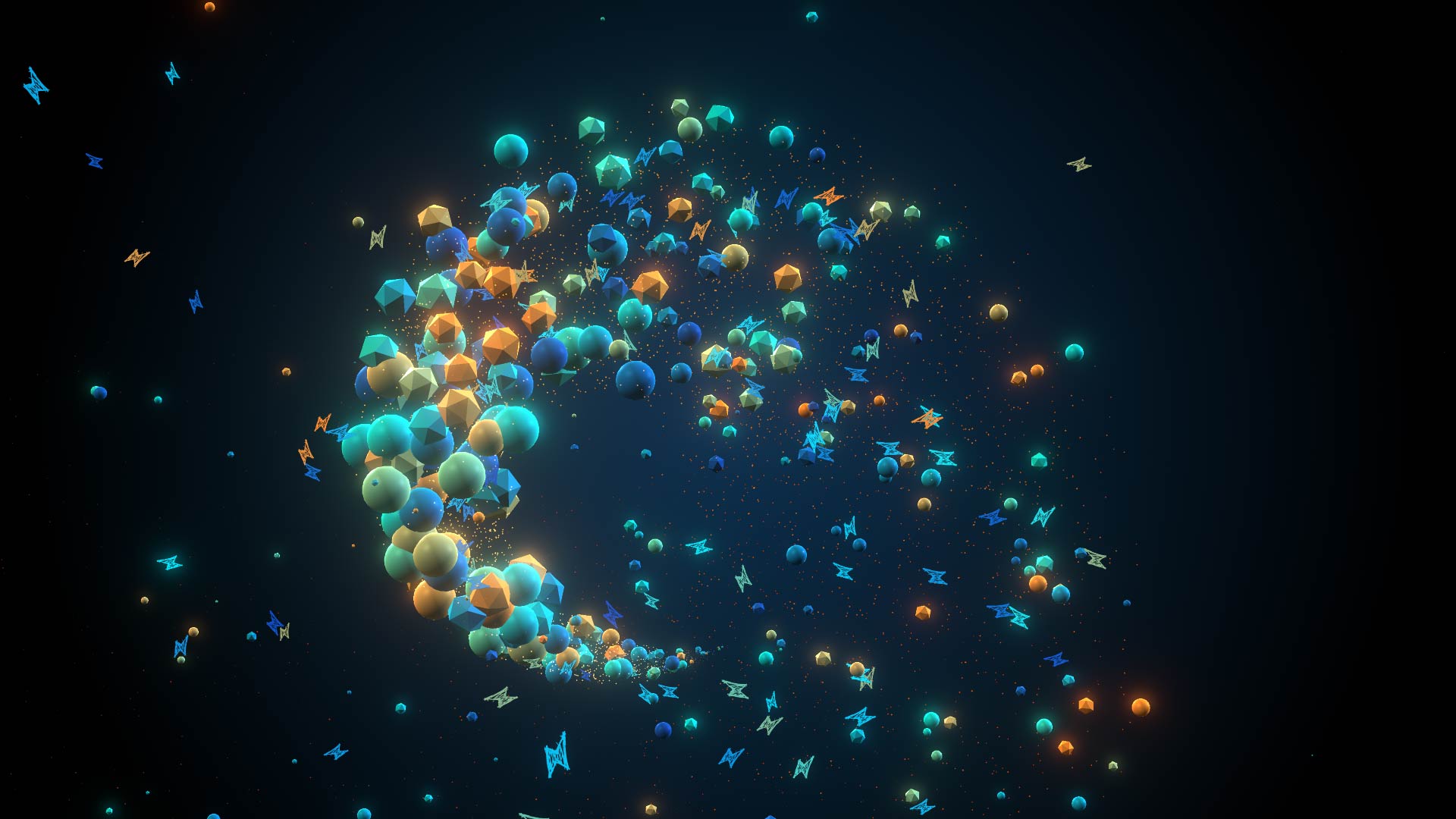
It runs on your graphics card
Simulation and rendering both happen on the GPU. The preview window plays in real time, so you direct the shot while it is moving rather than waiting to find out what you made.
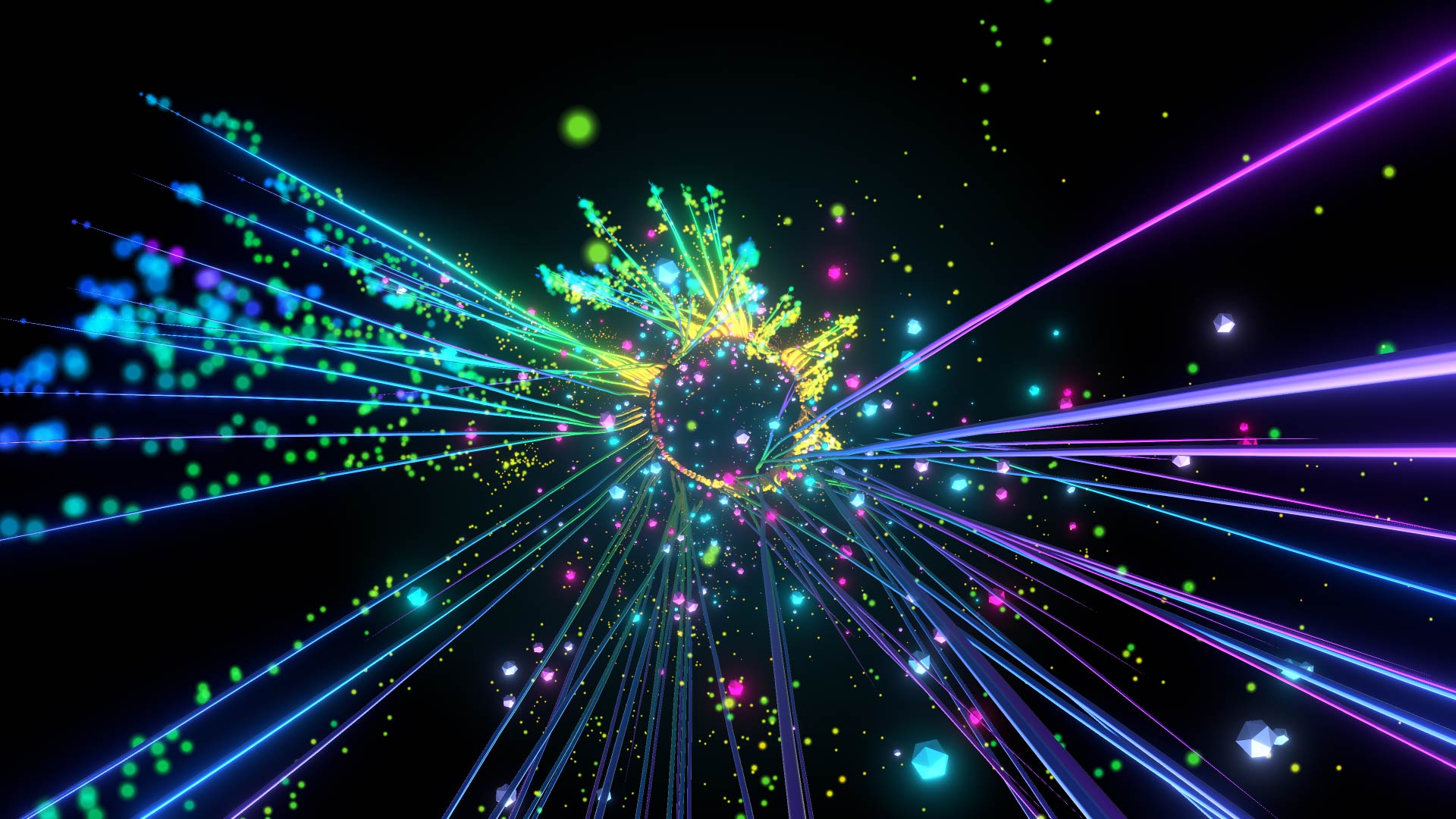

Particles are supposed to be the fun part.
A modern particle instrument for After Effects. Built for motion you can steer, revise, repeat, and own.
Particle work goes wrong the same way every time: the first version is quick, and every version after it costs a rebuild. Entropy is built so that changing your mind is cheap enough to be part of the work.
Simulation and rendering both happen on the GPU. The preview window plays in real time, so you direct the shot while it is moving rather than waiting to find out what you made.
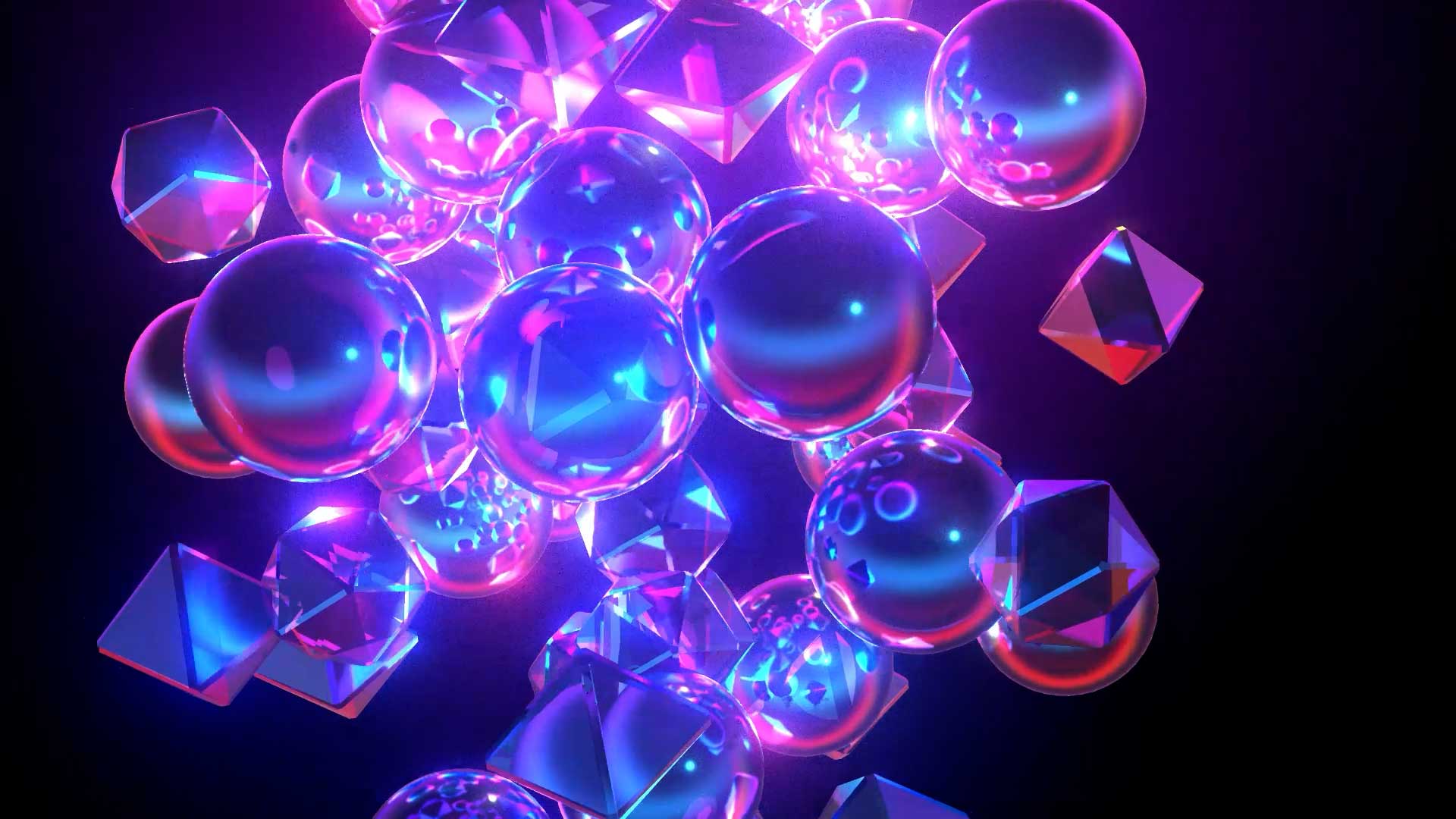
Render actual geometry, not only sprites. Particles pick up reflections from an environment, catch light per particle, and glass materials transmit and refract what is behind them.
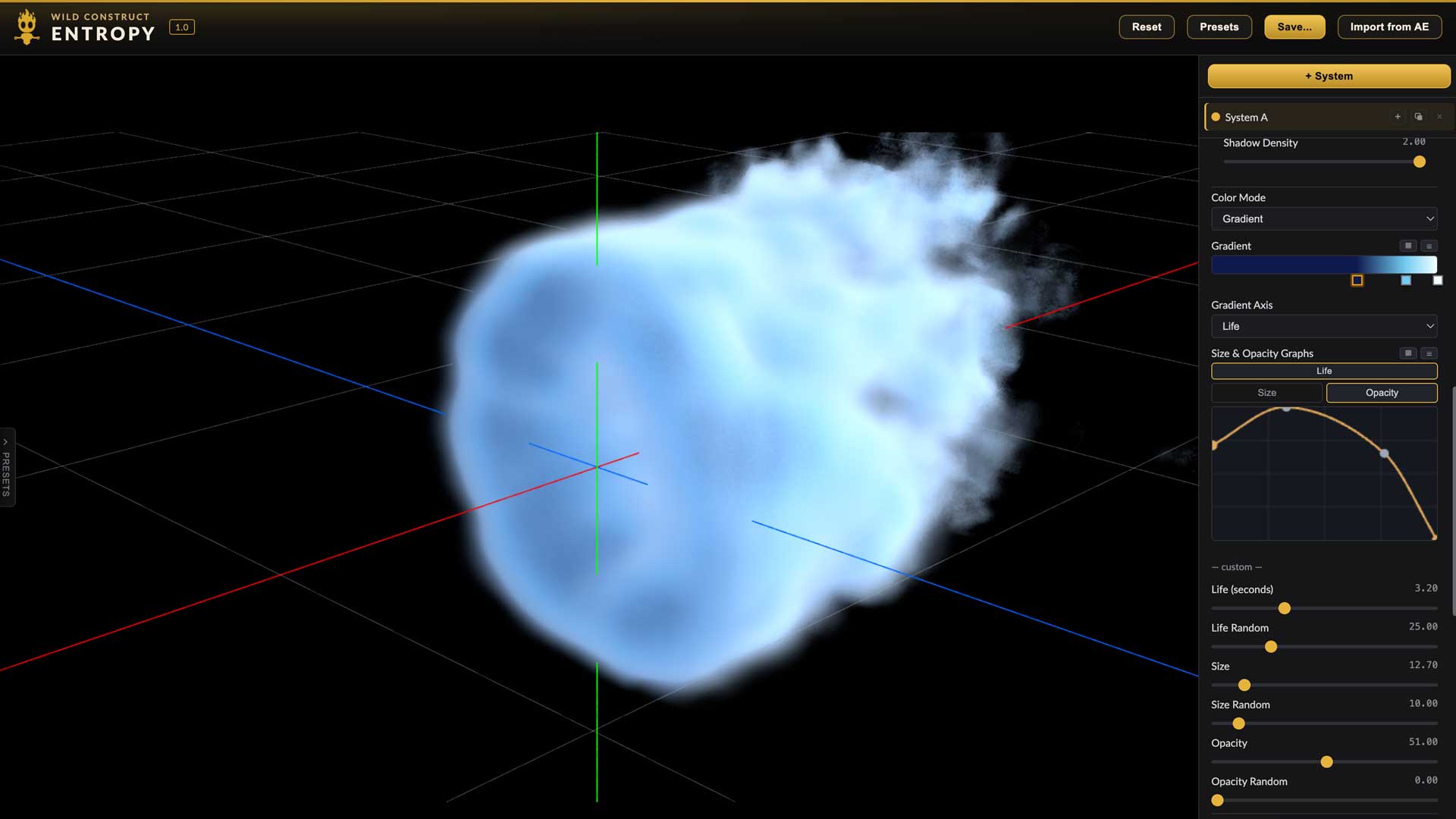
Render the system as volumetric density — smoke, dust, atmosphere — lit and shadowed as a volume rather than faked with layered sprites. It is the same system you already built, asked to be something else.
Draw the path every particle took. A tracer turns a simulation you can only watch into a shape you can see all at once, which is how a motion idea becomes a frame you can hold.
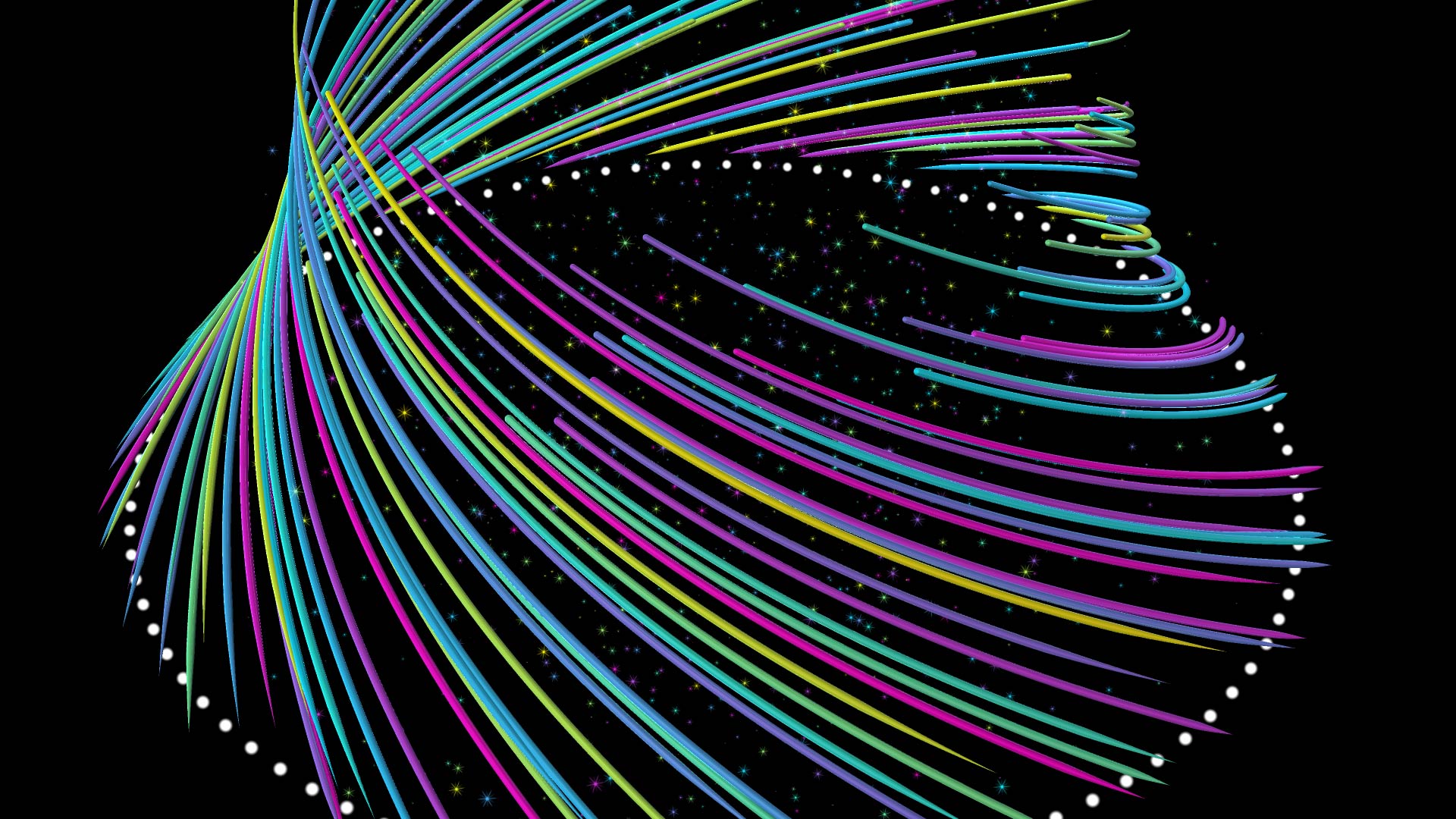
Start with a shape you can actually picture — a sine wave, a square wave, a spiral — and emit along it or flow through it. Then animate the form itself with modulators, so the structure driving the motion is moving too. Complicated motion out of relationships you can still reason about, rather than a path built by hand a keyframe at a time.
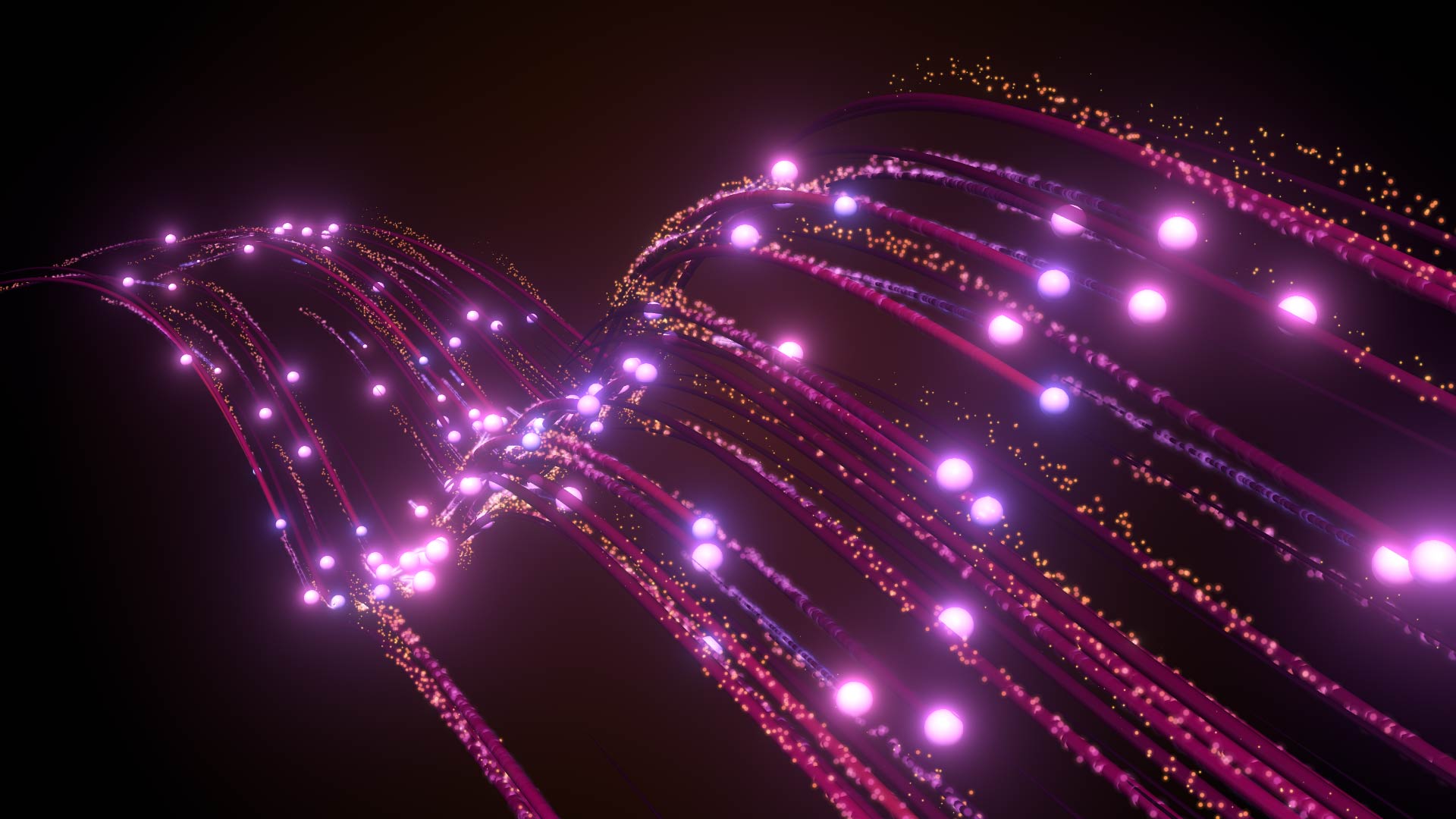
A system can have children, and those children can have children. Run several independent systems alongside each other. Branch an idea instead of flattening it: layered behavior that stays legible, because each layer is still its own thing you can go back and change.

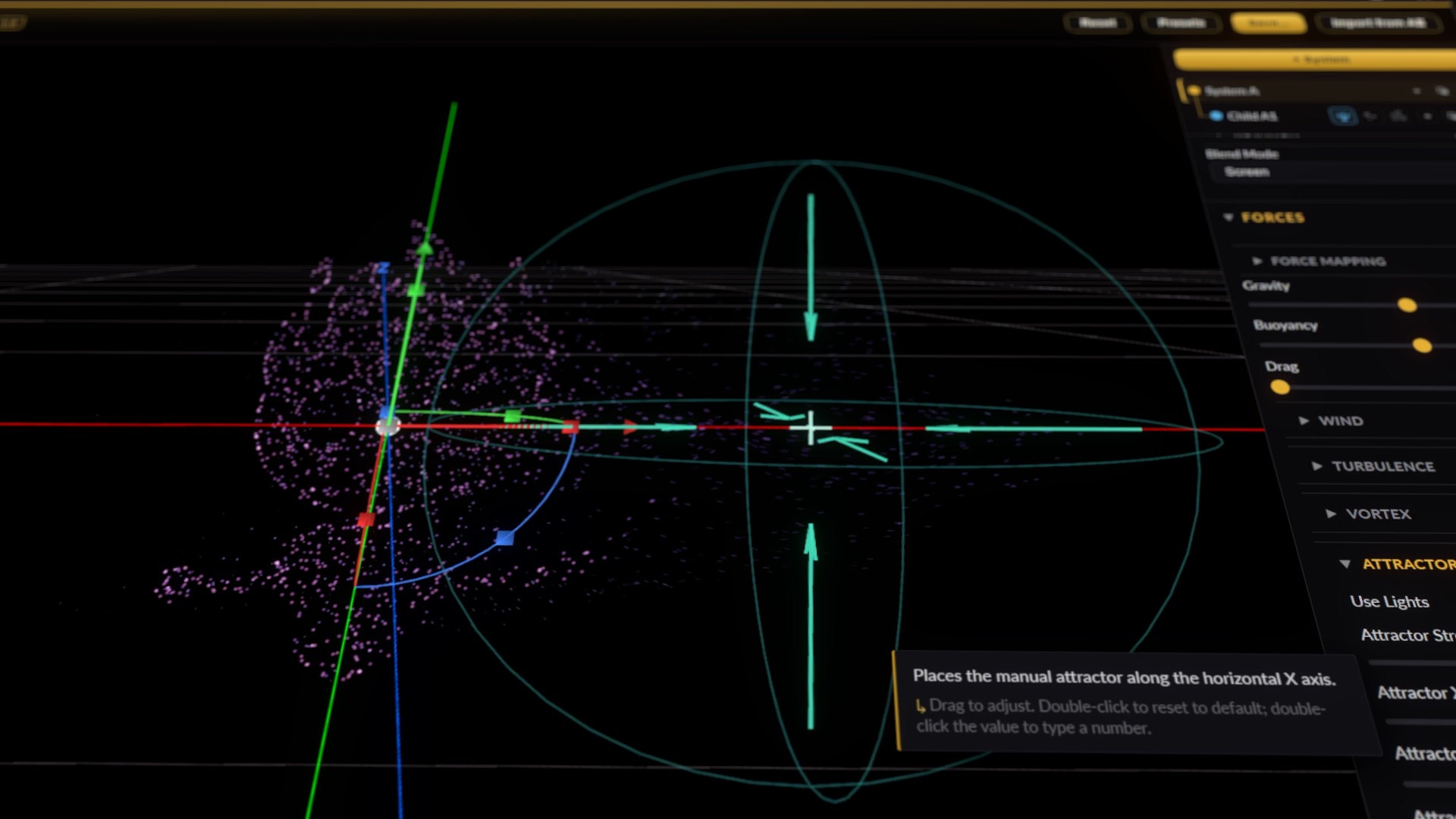
Gravity and wind are table stakes. Attractors that pull a system somewhere specific, springs that give it weight and recoil, vortex and turbulence you can keyframe — every one art-directable, so you are steering the shot rather than reseeding it until something good happens.
Ownership
Entropy is a perpetual license. The build you paid for keeps working, and nothing stops mid-project because a subscription ended.
Two machine activations, and two years of updates. Nothing expires mid-project.
Refunds within 7 days of purchase.