Simulation and rendering on the GPU
The preview plays in real time, so you change a force and watch the shot respond, rather than scrubbing and waiting. Metal on Mac, Direct3D 12 on Windows — no NVIDIA card required.
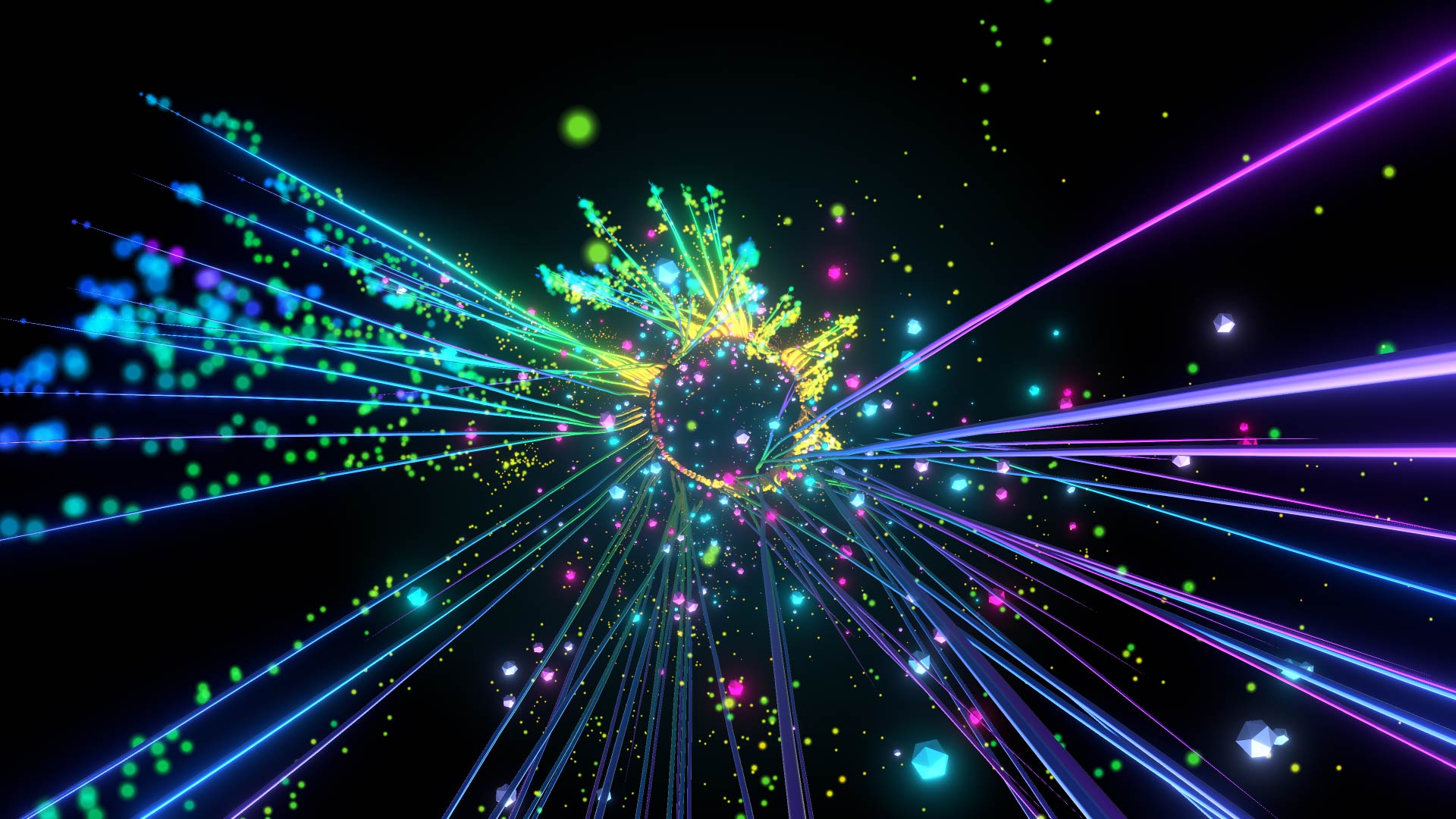

Entropy is not the first particle system for After Effects. Particular and Stardust have been doing this for years, and newer tools have arrived for specific jobs. Here is how Entropy stacks up against them, feature by feature, including where they are the better pick.
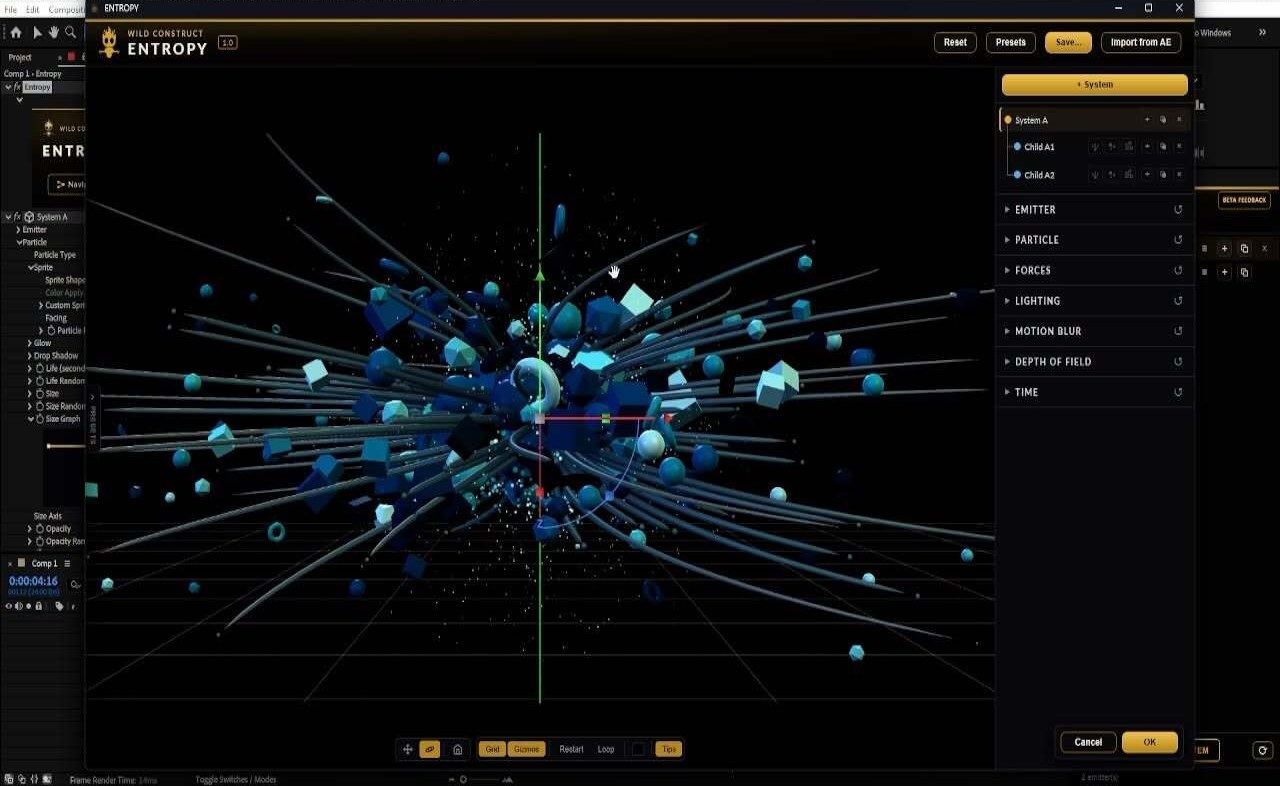
Three things set it apart from the field: the whole simulation runs on your graphics card, systems nest as deep as the idea needs, and one system can render as several different things. And you buy it once — $299, two years of updates, and the version you own keeps working when the updates stop.
The preview plays in real time, so you change a force and watch the shot respond, rather than scrubbing and waiting. Metal on Mac, Direct3D 12 on Windows — no NVIDIA card required.
A system can have children, and those children can have children, alongside other independent systems. Each layer stays its own thing you can go back and change, inside the familiar Effect Controls rather than a separate editor.

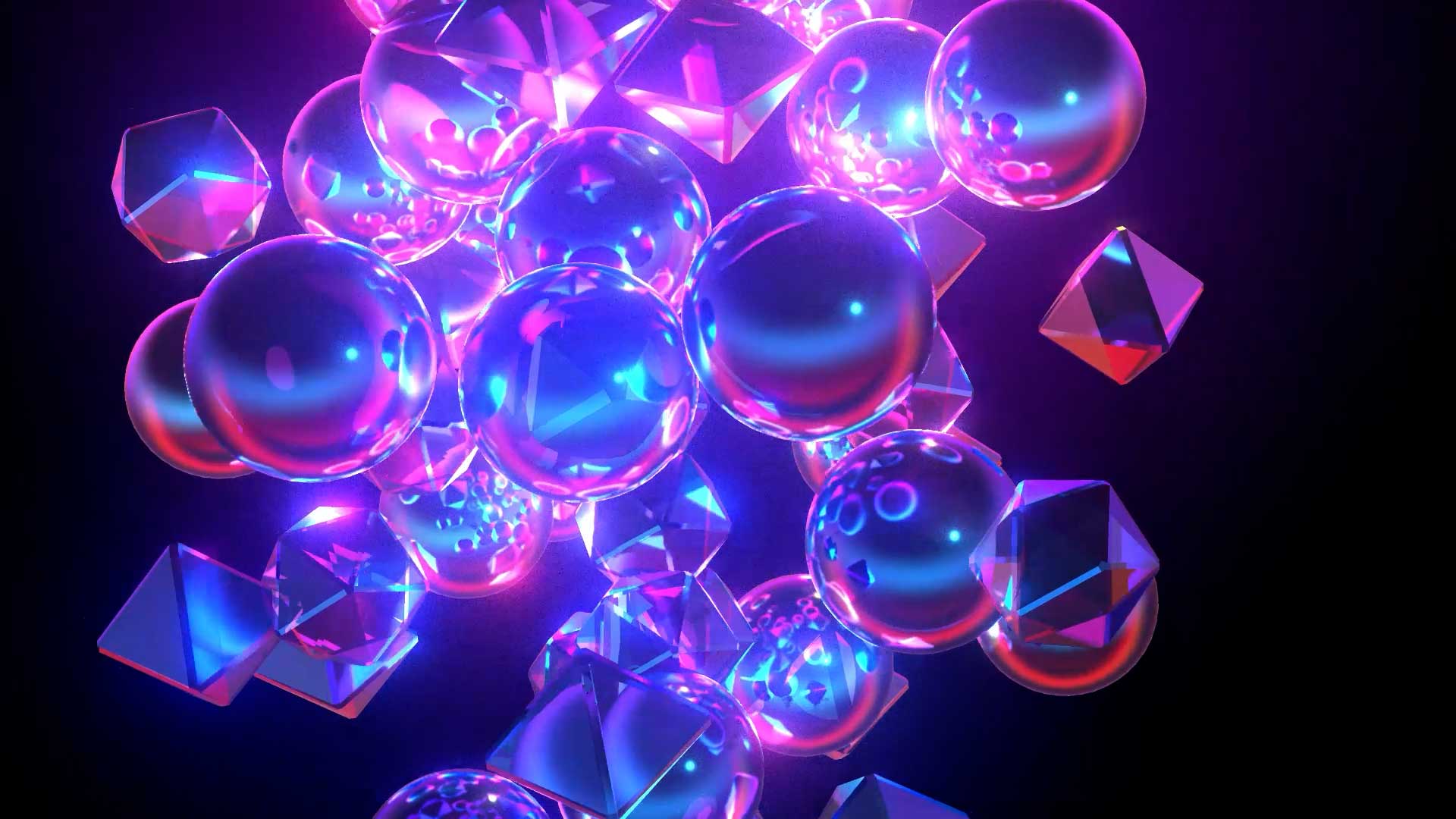
The same system can render as sprites, as real geometry with reflections and refracting glass, as a lit volume, or as tracers that draw every particle's path.
From each vendor's published material, October 2026. ✕ means not offered. A dash means not applicable, or not documented by the vendor.
| Feature | Entropy | Particular | Stardust | Furikake | Plumebus |
|---|---|---|---|---|---|
| Price | $299 once | Subscription | $249 once | $239 once | $149 or $349 once |
| Latest version | 1.0.3 · Oct 2026 | 2026.5 · Aug 2026 | 1.6.0d · May 2025 | 1.0.8 · Aug 2026 | 1.3.8 · Sep 2026 |
| GPU-accelerated | Yes | Yes | Yes | No | Yes |
| Sprite particles | Yes | Yes | Yes | Yes | No |
| Lit geometry with materials | Yes | No | Yes | No | No |
| Volumes | Yes | No | Yes | No | Yes |
| Tracers (drawn paths) | Yes | No | No | No | Not applicable or not documented |
| Multi-level nested emitters | Yes | No | Yes | Not applicable or not documented | Not applicable or not documented |
| Formula emitters | Yes | Not applicable or not documented | Not applicable or not documented | Not applicable or not documented | Not applicable or not documented |
| Fluid simulation | No | Yes | No | No | Yes |
| Collisions | No | Yes | Yes | Yes | Yes |
| Localized interface | Yes | Yes | Not applicable or not documented | Not applicable or not documented | Not applicable or not documented |
Something out of date? Write to us through support and we will correct it.
Entropy is not the right tool for every shot. If one of these is the job, buy the tool built for it.
Yes. Entropy does the same job: it is a particle system that runs inside After Effects as an effect. It simulates and renders on the GPU, nests emitters several levels deep, and renders sprites, geometry, volumes and tracers. It is sold as a perpetual license.
No. Entropy is a perpetual license with two years of updates. When the update window ends, the version you own keeps working.
No. Entropy does not import presets or settings from other plug-ins. The concepts carry over — emitters, particle types, forces, child systems — but a look has to be rebuilt in Entropy.
Yes. Entropy is a separate After Effects effect and can sit in the same project as any of them.
No. Entropy uses Metal on Mac and Direct3D 12 on Windows. It is not a CUDA product. Full requirements are on the product page.
Yes. There is a free 7-day trial for Mac and Windows.
Two machine activations, and two years of updates. Nothing expires mid-project.
Trapcode and Particular are trademarks of Maxon Computer GmbH. Stardust is a product of Superluminal; Furikake and Plumebus are sold through aescripts + aeplugins. Wild Construct is not affiliated with any of them.